






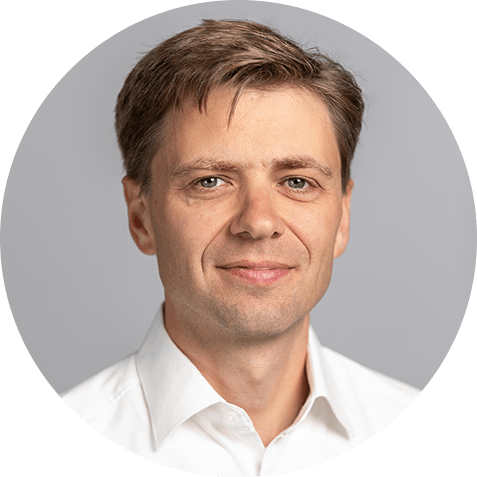
Oliver Refle studied automation engineering at the University of Stuttgart and has been working in the field of additive manufacturing at Fraunhofer IPA since 2007. He has held various roles as a research assistant, group leader and head of a research division, and has gained experience as a project team member and project manager in numerous research projects dealing with additive manufacturing solutions. His focus lies on the development of complex, hybrid additive manufacturing processes and the associated manufacturing equipment, for example for the additive manufacturing of electronic components and customised pharmaceutical products. He currently heads the EU project PERAMEDIC.
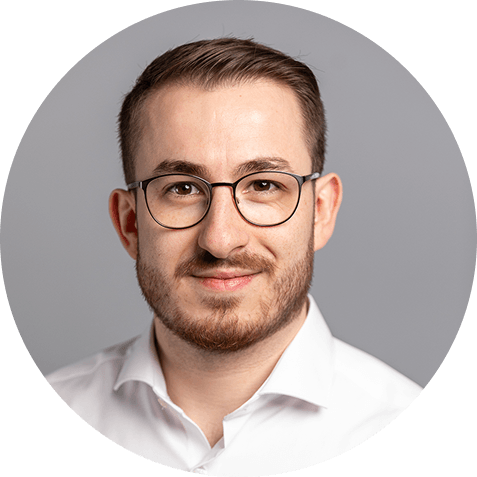
B.Sc. David Torres is a research associate at the Fraunhofer Institute for Manufacturing Engineering and Automation IPA and holds a B.Sc. in Mechatronics from Hamburg University of Applied Sciences. He is currently pursuing a part-time M.Sc. in Mechatronics at Wilhelm Büchner Hochschule Darmstadt.
His focus lies on control systems and electrical integration for additive manufacturing systems, including hardware integration, machine communication, and data infrastructure.
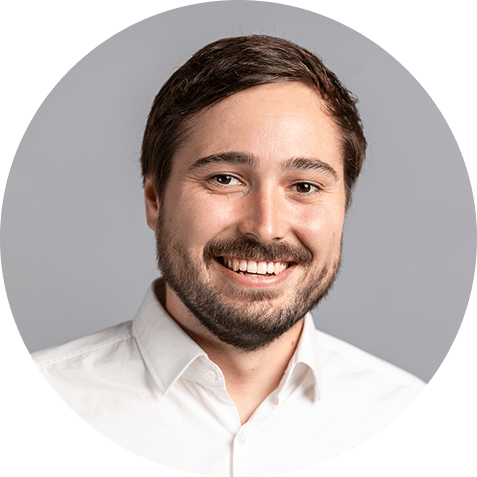
Simon Höhn, M.Sc., is a research associate at the Fraunhofer Institute for Manufacturing Engineering and Automation IPA and completed his Master’s degree in Technology Management at the University of Stuttgart. His research focuses on additive manufacturing, particularly on plant engineering, the development of experimental test rigs and machine components for industrial AM processes. Furthermore, he is involved in process development for powder-bed-based additive manufacturing processes and the optimisation of corresponding process chains for industrial applications.

Mark Becker, Eng., is a research associate at the Fraunhofer Institute for Manufacturing Engineering and Automation IPA and completed his studies in Mechanical Engineering at Wilhelm Büchner University.His professional focus lies in additive manufacturing, particularly in the design and development of systems, experimental test rigs, and machine components for industrial AM processes. In addition, he is involved in the advancement of powder-bed-based additive manufacturing technologies and the optimisation of related process chains for industrial applications.

Marc Gabaldón González, M.Sc., is a chemist and research associate at the Fraunhofer Institute for Manufacturing Engineering and Automation IPA. His professional activities concentrate on material-related challenges in additive manufacturing, with a strong focus on the recycling and reuse of feed materials as well as the investigation of polymer aging effects in industrial applications. In addition, he specialises in analytical methods for material characterisation and process evaluation, supporting the development of sustainable and reliable manufacturing solutions for advanced production environments.
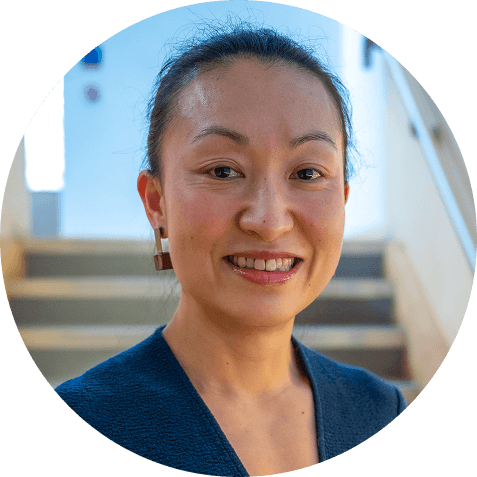
Sheng Qi is Chair in Pharmaceutics in the School of Pharmacy and Pharmaceutical Sciences at the University of Liverpool. Her research focuses on materials science, drug delivery and formulation development, with over 20 years’ experience in the design of novel materials and dosage forms.
Her work addresses a wide range of clinical and real-world applications, including anti-HIV medicines, antimicrobial surfaces, food and nutritional products, and waterless personal care technologies. Sheng has extensive experience in building collaborations and translating research into clinical, industrial and societal impact, and has led multiple REF impact case studies.
Before joining the University of Liverpool in 2026, she was Associate Dean of Innovation at the University of East Anglia, where she provided strategic leadership in enterprise and innovation activity building, including the development of industrial partnerships and academic spin-outs.
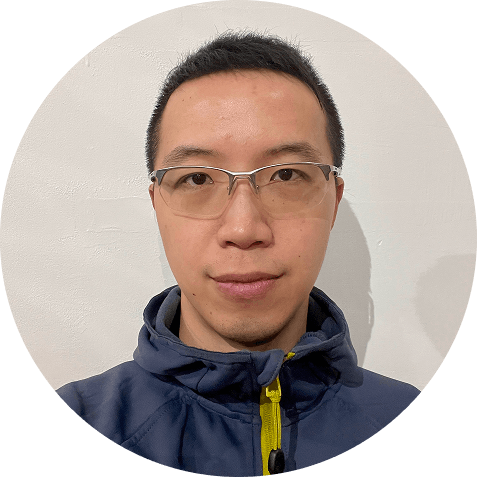
Ken’s role centres on the formulation and optimisation of pharmaceutical materials that enable advanced manufacturing processes.
Ken Tam is a postdoctoral researcher at the School of Pharmacy and Pharmaceutical Sciences, University of Liverpool. Ken’s research background spans additive manufacturing and personalised medicine, with a particular focus on the development of 3D-printed pharmaceutical dosage forms. His work explores tailored drug delivery systems and enabling technologies that support more precise, patient-centred therapies. Alongside his doctoral research, he contributed to several early-stage innovation projects, including the development of a natural antimicrobial food spray to extend the shelf life of salmon during transport, seaweed-derived prototype packaging aimed at reducing plastic use, and compostable material solutions for cosmetic product packaging.
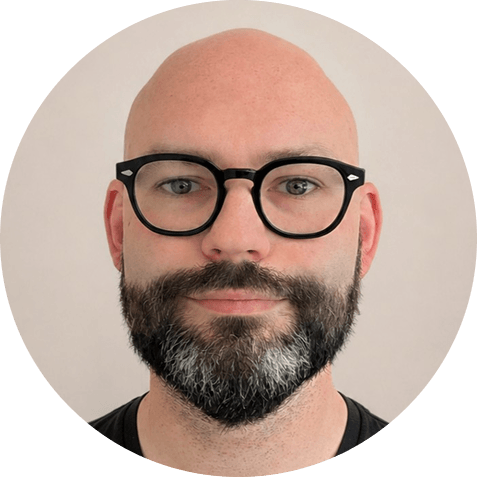
Dr Christopher David is a pharmacologist specialising in advanced drug delivery systems and the immunological evaluation of nanomedicine and long-acting therapeutics. He obtained his BSc in Medical Biochemistry and MSc in Nanomedicine from Swansea University in 2011 and 2012, respectively, before completing a PhD in Pharmacology at the University of Liverpool in 2017, where he investigated how nanoparticle physicochemical properties influence their biological interactions. He has since built close to a decade of postdoctoral experience at the University of Liverpool’s Centre of Excellence for Long-Acting Therapeutics and within EU-funded consortia, leading method development, immunoassay optimisation, and in vitro models to support translational drug delivery research. His broader expertise spans microparticulate and nanoparticulate formulation, in vitro release and immunotoxicity testing, and the regulatory science required to guide nanobiomaterials toward clinical application.

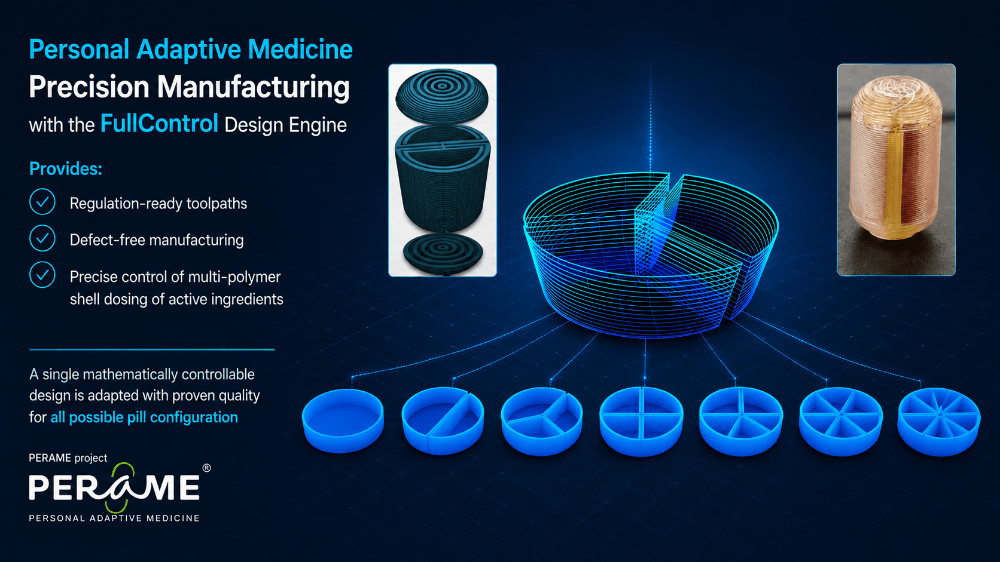
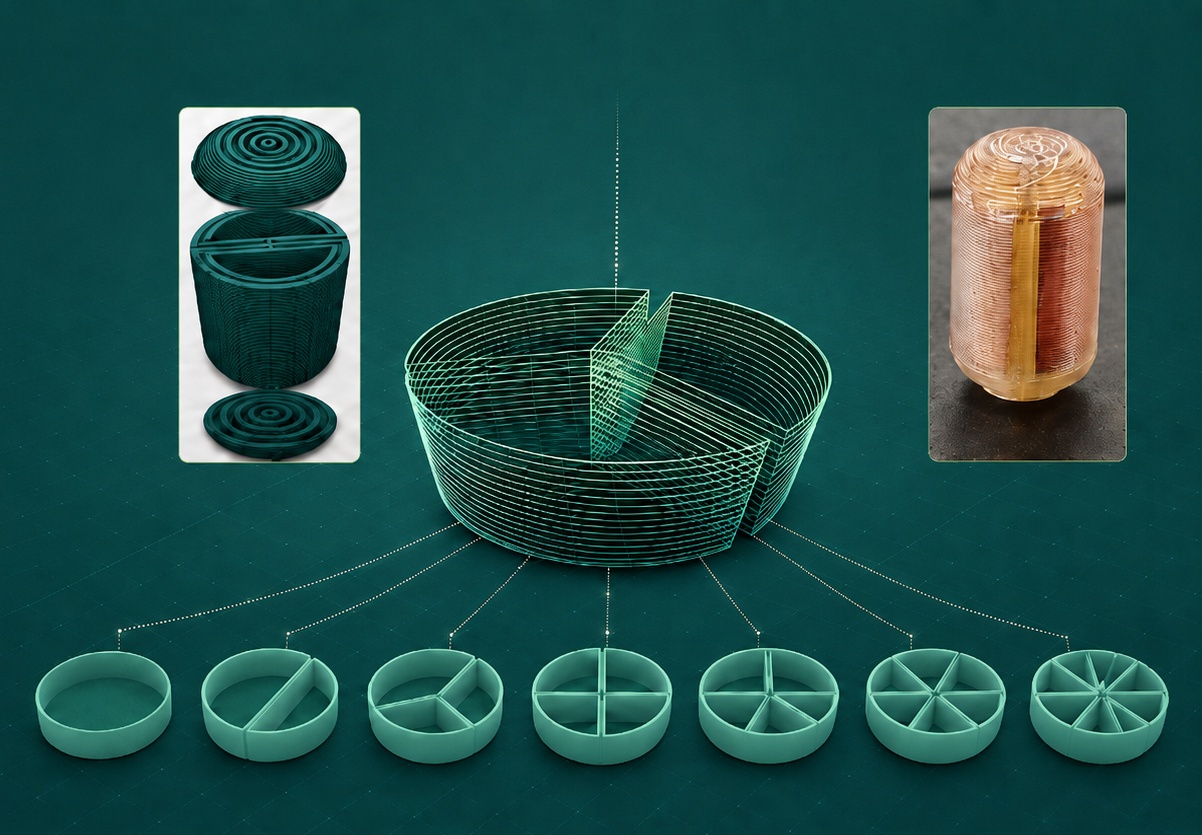
Andy Gleadall is a Reader in Additive Manufacturing at Loughborough University, where his research focuses on material extrusion additive manufacturing, design for additive manufacturing, biomedical applications, microscale print-path control, multi-axis printing, hybrid manufacturing, and computational methods for predicting the geometry and properties of 3D-printed structures. He is the creator-maintainer of FullControl, an open-source approach to unconstrained design for additive manufacturing, with demos, tools and resources available at fullcontrol.xyz and fullcontrolgcode.com.
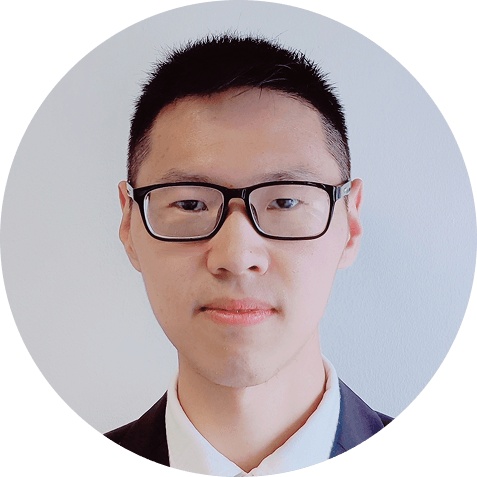
Dr. Jiongyi Yan is currently a postdoctoral researcher for 3D printing pharmaceuticals in Mechanical Electrical Manufacturing Engineering at Loughborough University, where he acquired his Ph.D. about fibre reinforced material extrusion in 2023. He worked as a postdoctoral researcher on 4D printing hydrogels at University of Bristol from 2023 to 2024. His research includes 3D printing polypills, metamaterials, robotics, neural networks, and neuromorphic electronics, with expertise in polymers, structure design, and printing hardware, software and process control.

Dr. Anders Frem Wolstrup is a Research Associate at the Wolfson School of Mechanical, Electrical and Manufacturing Engineering at Loughborough University, where he works on 3D printing of pharmaceuticals. He received his PhD in Electrical Engineering from DTU, Technical University of Denmark, in 2025, with a focus on 3D-printed electronics. His research interests include 3D printing of unconventional materials, multi-material and multi-axis printing, robotics, neural networks, and the 3D printing of electromechanical sensors.
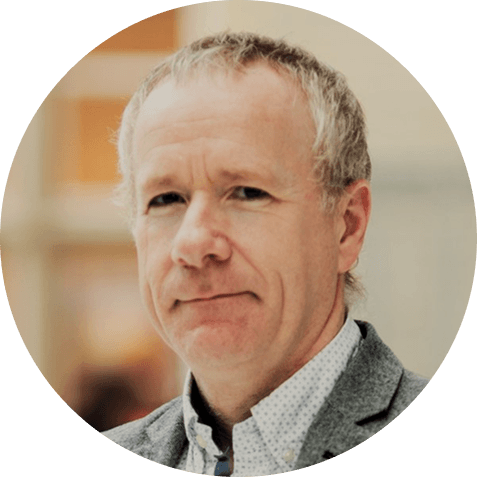
Richard Bibb is Associate Dean Research and Professor of Medical Applications of Design, Nottingham School of Art, Nottingham Trent University. His research explores the application of product design techniques and digital technologies in healthcare; including 3D scanning, Computer Aided Design (CAD) and Additive Manufacturing / 3D Printing in modelling patient anatomy, design-manufacture of prostheses, surgical planning and the design-manufacture of surgical guides and instruments, 3D printed fluidics and 3D printed pharmaceuticals.
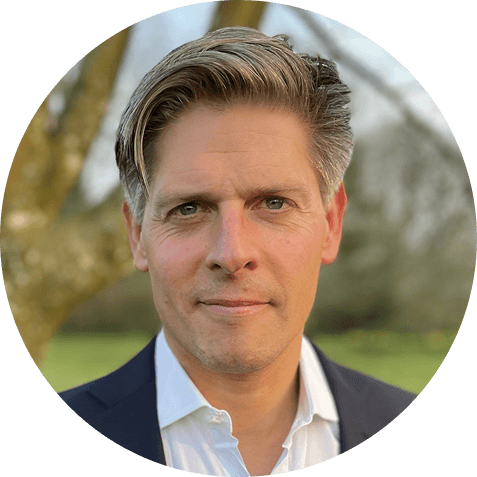
Kristof is a Chartered Financial Analyst with more than twenty years’ experience investing in pharma, forestry, farming and water rights. He started his career at Goldman Sachs as a corporate finance analyst, before joining Griffin Capital Management as a discretionary trader, focusing on agriculture soft commodities and carbon markets, after which he set up and built out the water resource and agriculture-focused investment strategies division for Thames River Capital where he was a Partner. Prior to joining Thames River, he was a Partner at Liontrust Asset Management, where he also developed a sustainability overlay for the investment strategies he managed.
Kristof holds an MSc in Transition Economics from the London School of Economics and a BA in philosophy and politics from Durham University.

Dr. András Bulkai is a mechanical engineer with a strong academic and research background in engineering science. He earned his BEng with honours from Loughborough University in 2001, where he later completed his PhD in 2006. His doctoral research focused on finite element and variation analysis of threaded fasteners. In addition to his specialization, he has broader expertise in mechanics, dynamics, and CAD design. Dr. Bulkai has also worked in Hungary at private research centres, contributing to technology transfer initiatives that bridge research and industrial application.

Dr. Balázs Havasi-Tóth graduated with a Master’s degree from the Faculty of Mechanical Engineering at the Budapest University of Technology and Economics (BME) in 2013, and went on to earn his PhD in 2020 in the field of particle-based fluid dynamics modeling. Since then, he has been working as an Assistant Professor at the BME Department of Fluid Mechanics and within the HUN-REN Morphodynamics Research Group. His primary area of expertise is fluid dynamics modeling, as well as the study of the behavior and morphology of solid bodies in flows. Within this framework, he has conducted extensive fundamental research in both engineering and geological fields.
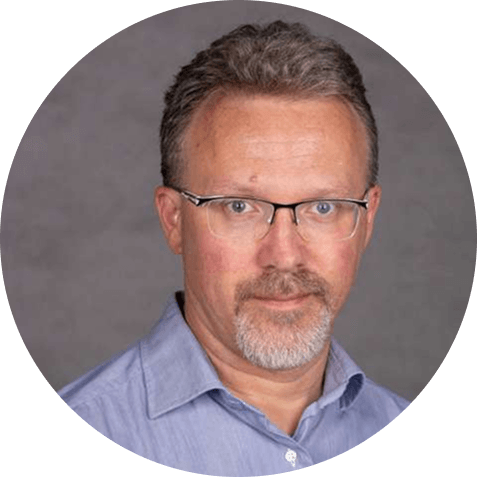
Dr. Balázs Istók received his master’s degree from the Faculty of Mechanical Engineering of the Budapest University of Technology and Economics (BME) in 2001, and his doctoral degree in the field of gravity flow modeling in 2014. Since then, he has been working as an assistant professor at the Department of Fluid Mechanics of BME. His main field of expertise is fluid mechanics modeling and measurement technology. During his work, he designs and builds measurement equipment and performs measurements in the field of fluid mechanics.
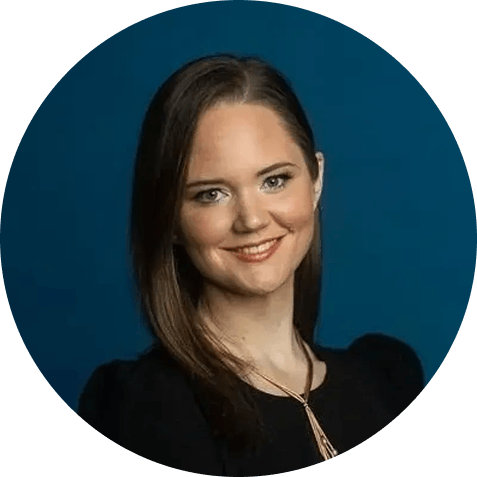
Orsolya Kurucz is the CEO and Founder of ATS Advisory, a Brussels-based consultancy specialised in EU project and communication, EU policies, and strategic advisory services. With more than a decade of experience in European affairs, public administration, and international project development, she began her career in the Hungarian public administration in 2013 as an advisor on European Union dossiers at the Cabinet of the Minister for Public Administration and Justice, later continuing at the Cabinet of the Minister for Foreign Affairs and Trade.
She subsequently headed the department responsible for negotiating the EU’s 2021–2027 Multiannual Financial Framework, including directly managed EU funds. Throughout her career, she has developed relevant expertise in EU budget negotiations, policy coordination, and proposal development for directly managed EU programmes, while building a strong Brussels-based network connecting European institutions, private stakeholders, and international partners. In late 2022, she founded ATS Advisory, which has since grown into a recognised consultancy collaborating with more than 120 partners across Europe and supporting the preparation of many EU-funded projects across sectors including energy transition, digitalisation, defence, education, mobility, culture, and sustainability. Orsolya holds a Master’s degree in Political Science from Eötvös Loránd University in Hungary and completed the Accelerated Management Program at Solvay Brussels School in Belgium in 2023.

Clara Calvaruso is the Head of the Brussels Office at ATS Advisory, where she plays a central role in the company’s operations and has contributed to the development and management of numerous successful EU-funded projects. She completed her studies in Political Science and International Relations at the University of Siena before earning a Master’s degree in International and Diplomatic Studies in 2022.
Her strong interest in international affairs led her to gain experience abroad through an internship at the Italian Embassy in Vilnius, where she further developed her understanding of diplomacy and international cooperation. After moving to Budapest, Clara worked as a trainee at Corvinus University and at the Italian Chamber of Commerce, contributing to international business and institutional activities. Later relocating to Brussels, she worked as a Project Assistant managing EU-funded projects in the fields of renewable energy and energy storage, acquiring hands-on expertise in EU funding mechanisms, proposal writing, and project management.
Today, at ATS Advisory, she oversees the Brussels office operations while playing an active role in the development and implementation of European projects under programmes such as Horizon Europe, LIFE, Creative Europe, CEF, CERV. She is extensively involved in proposal development, including identifying funding opportunities, coordinating international consortia, drafting technical and strategic project sections, defining work packages and budgets, and ensuring alignment with EU priorities and evaluation criteria. She also supports project implementation activities, including partner coordination, communication with stakeholders and EU institutions, reporting, and the monitoring of project progress and deliverables across different project phases and sectors.
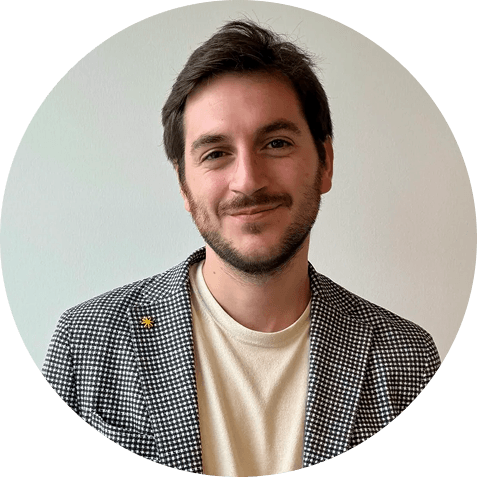
Iacopo Castagnetta is an EU Funding Expert at ATS Advisory, where he has been contributing to the development, writing, and management of European projects since September 2024. With a strong background in European affairs and sustainability, he has combined his academic interests with practical experience in international organisations, regional institutions, and consultancies. Throughout his career, he has worked for the Honorary Consulate of Greece in Venice, the Veneto Region Delegation in Brussels, the international organisation CIHEAM, and CLERENS, gaining extensive experience in EU project development, stakeholder engagement, policy analysis, and international cooperation.
Over the years, he has developed solid expertise in EU-funded programmes, particularly in sectors related to renewable energy, energy storage, sustainable agriculture, food and nutrition security, social empowerment, and climate action. He contributed to the steering and coordination of several European and AU-EU research and innovation networks, including ENSA, ELISAN, LEAP-Agri, FOSC, PRIMA, SCAR, and the BatteriesEurope Secretariat, supporting collaboration in sustainable food systems, agricultural innovation, and battery research ecosystems.
He also contributed to the organisation of institutional events and high-level workshops for the European Commission on Science Diplomacy and AU-EU cooperation. Alongside his professional activities, Iacopo is actively engaged in sustainability and climate-related initiatives. He holds a Bachelor’s degree in Political Sciences, International Politics and History and a Master’s degree in International Relations and Diplomacy from the University of Padua, and further specialised through executive programmes in energy management, sustainability, European affairs, and EU project design and management.